
News
What the group is building
Notes from the companies of the VARDIX group — what shipped, what it took, and what it changed for the people using it.
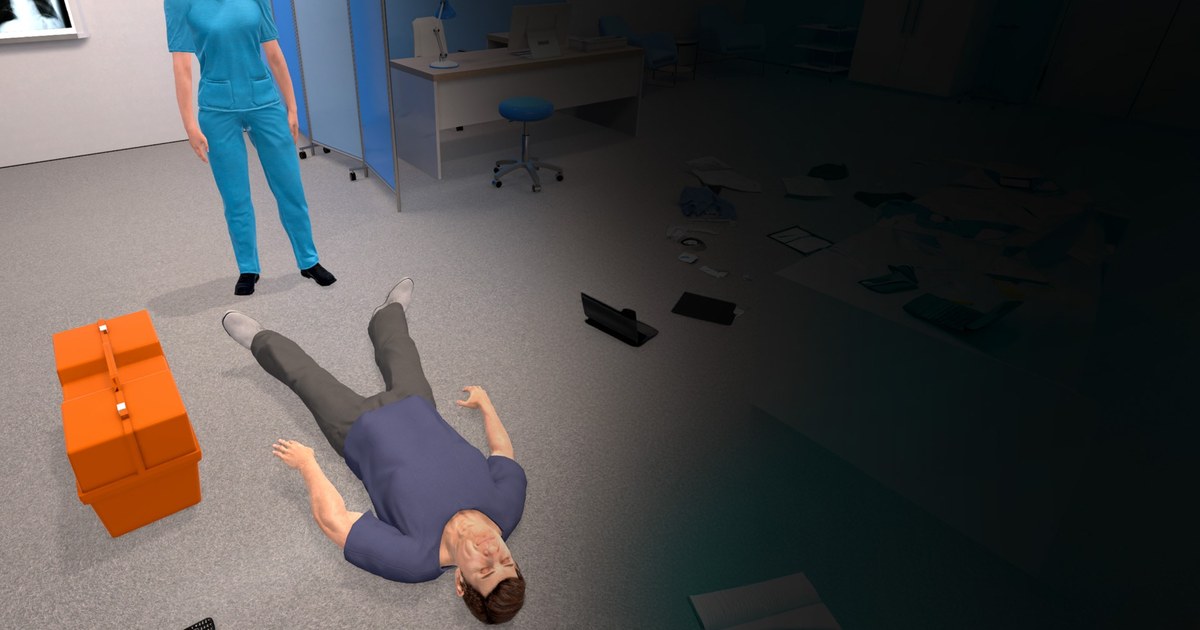 About twenty placements in two years: the clinical hours a nursing school cannot simply addFor distributors selling to nursing and medical schools: when clinical capacity is limited, the clinical time a school can still expand is the rehearsal before the ward — and that is the conversation a virtual clinic opens.Read the full material
 The panel you can take off: what a virtual potato harvester asks of a 3D modelFor machinery makers and the companies that train operators of their equipment: a model built to train has to open up and run on a phone as well as a headset, and that is a different build from a model built to sell.Read the full material
 The list comes before the grant: how Michigan will choose the STEM tools its schools can buyFor partners selling classroom science software to public schools, more of the sale is decided before a district has money to spend — by whoever ranks a state-approved list, as Michigan is about to show. Getting onto it takes outcome evidence and a clear grade fit, not a better demo.Read the full material
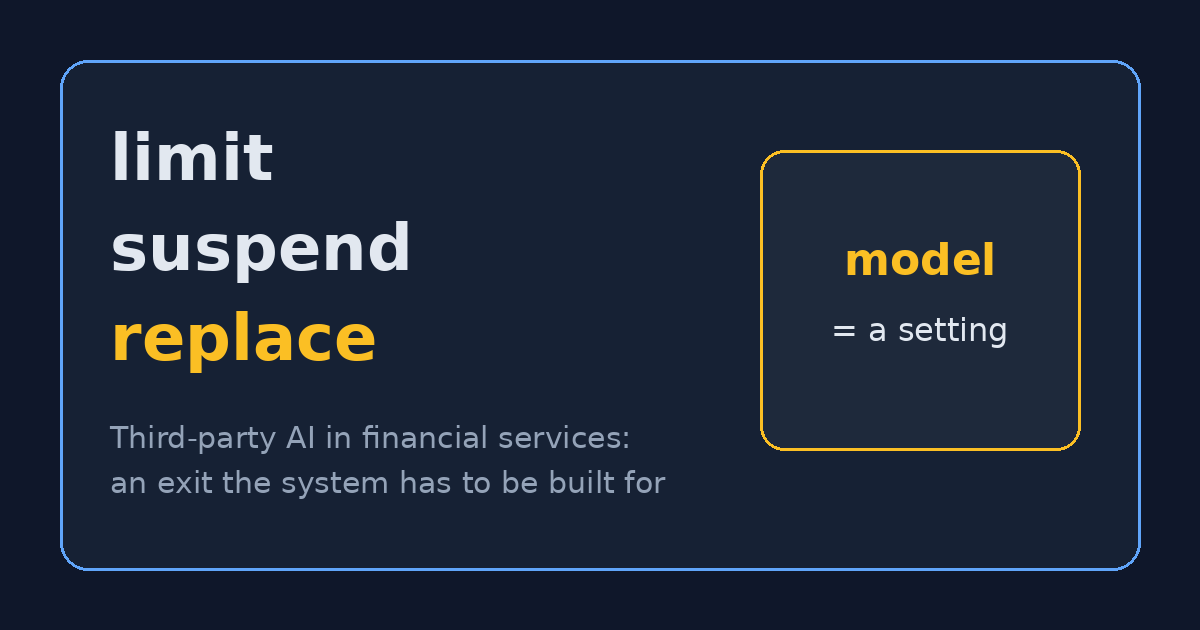 An exit you can actually use: Singapore's AI rules and the model you may have to replaceWhether a third-party model can be swapped without a rebuild is settled when the integration is designed, not when a regulator asks. For partners selling AI work to banks and insurers, that is the strongest answer to bring to a risk team.Read the full material
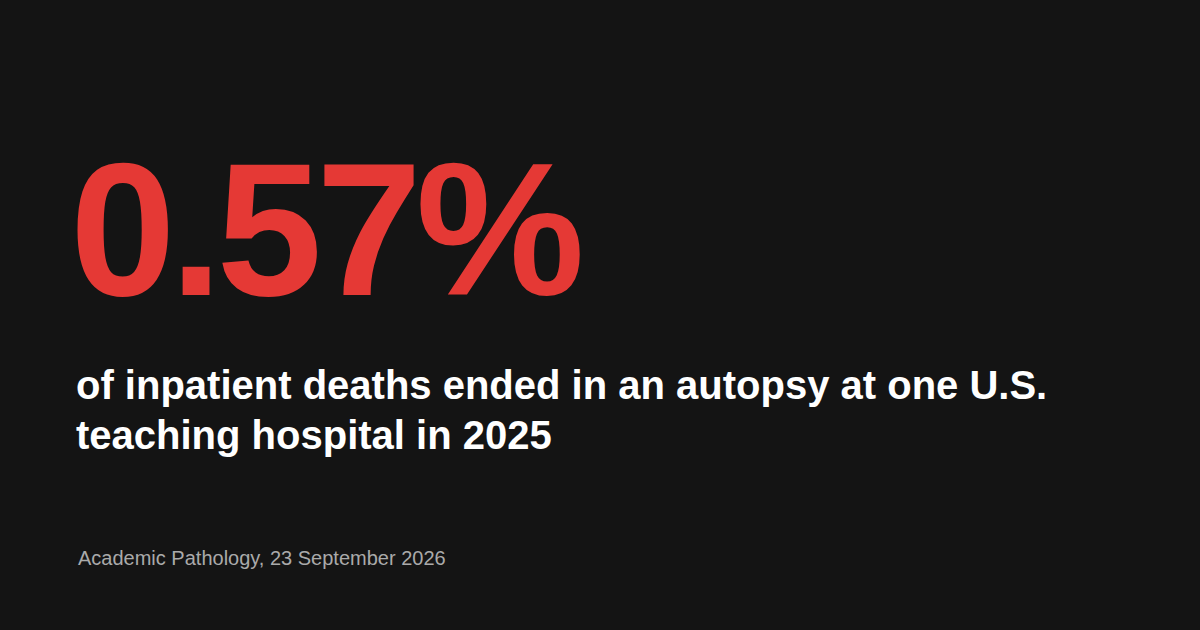 The organ nobody brings to class: a teaching hospital where 0.57% of inpatient deaths ended in a hospital autopsy in 2025For distributors selling to medical and pharmacy universities: as hospital autopsies become rarer, we think a pathology department needs whole-organ teaching material it controls itself, and a 3D organ model can supplement that teaching, though it does not replace the post-mortem.Read the full material
 Hands-on, on a screen: the conditions the U.S. rail regulator attached to 3D brake trainingA 3D model may now count as hands-on refresher training for U.S. freight brake crews, but only with a qualified instructor leading it, the training documented and, FRA expects, further refresher training, for example in person on equipment, for anyone who falls short. For partners selling technical training to rail, mining and heavy-industry operators, those conditions are a useful checklist of what a buyer may ask any simulation to meet.
 The floor plan is the lesson: what LATAM Cargo's VR rollout in Miami says about warehouse trainingWarehouse hazards live in the layout of one particular building, so training that works has to be built from that building and rebuilt for the next one. For operators of cargo hubs and warehouses, and for the partners who sell to them, site-specific VR is a development job rather than a catalogue purchase.
 Never done before, with the unit runningFor partners selling into refineries and chemical plants: why the riskiest step of an outage can be a task nobody on shift has done before, what a federal investigator asked the company to fix, and what rehearsing on a model of the unit can and cannot add.
 Six months after the video: what a heart-failure trial says about animated patient educationA randomized trial published online on 28 September 2026 found that animation-based nutrition education improved heart-failure patients' nutritional behaviour over six months of follow-up — and that the gain in quality of life ran entirely through that change in behaviour, according to the authors' mediation analysis.
 Headset or laptop: what an October 2026 simulation study found about scored performanceOn 8 October 2026 Advances in Simulation published a study of 91 medical students who ran emergency scenarios in a head-mounted display and on a laptop (80 completed both): scored performance did not significantly differ, and the headset brought higher perceived realism but no detectable additional benefit in measured performance or confidence. In our view, the case matters more than the screen — and access decides how many students get to practise it.
 Before the first shift: what a new U.S. Coast Guard rule asks of crews on passenger shipsOn 25 September 2026 the U.S. Coast Guard published a final rule: every crew member on U.S.-flagged passenger ships on international voyages must complete ship-specific emergency familiarization before taking up duties, and crowd-management training now extends to ratings. In our view, the hard part is rehearsing a ship, and a crowd, that are not available for practice.
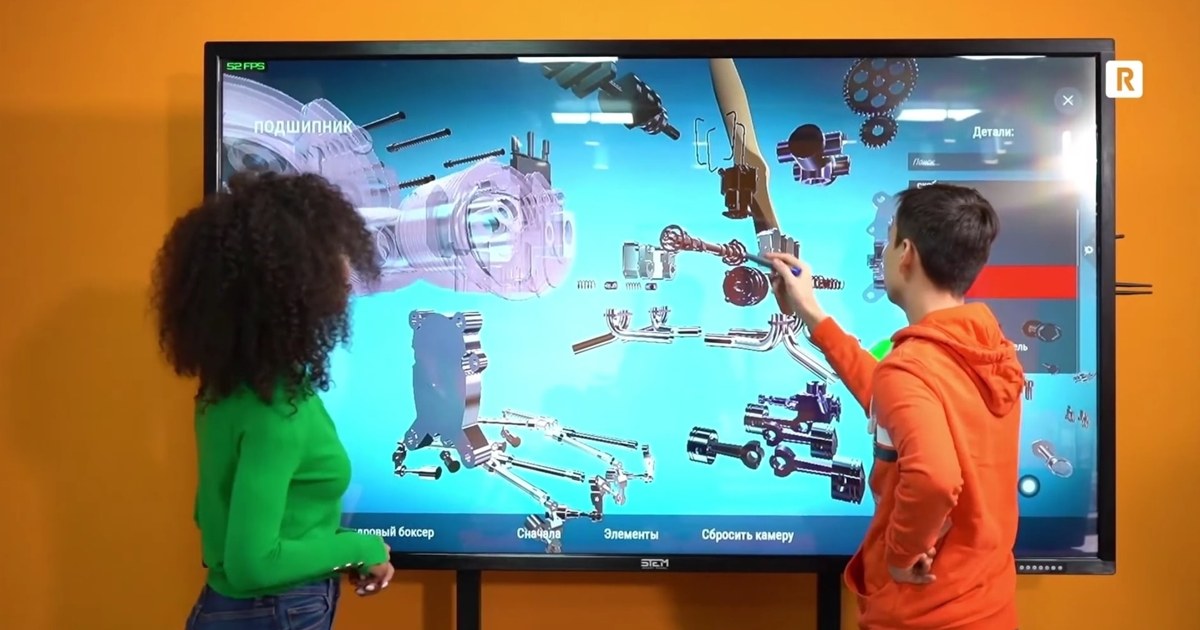 One kit per school: what a South African science bid says about practical workOn 5 October 2026 South Africa's North West Department of Education approved a three-year invitation to bid for Grade 10–12 Physical Sciences apparatus and chemicals — one 98-item kit per selected school — because, in its words, Physical Sciences content "poses a challenge to our teachers if they don't have such equipment." Bids close on 3 November 2026.