
Build experiences
beyond the screen
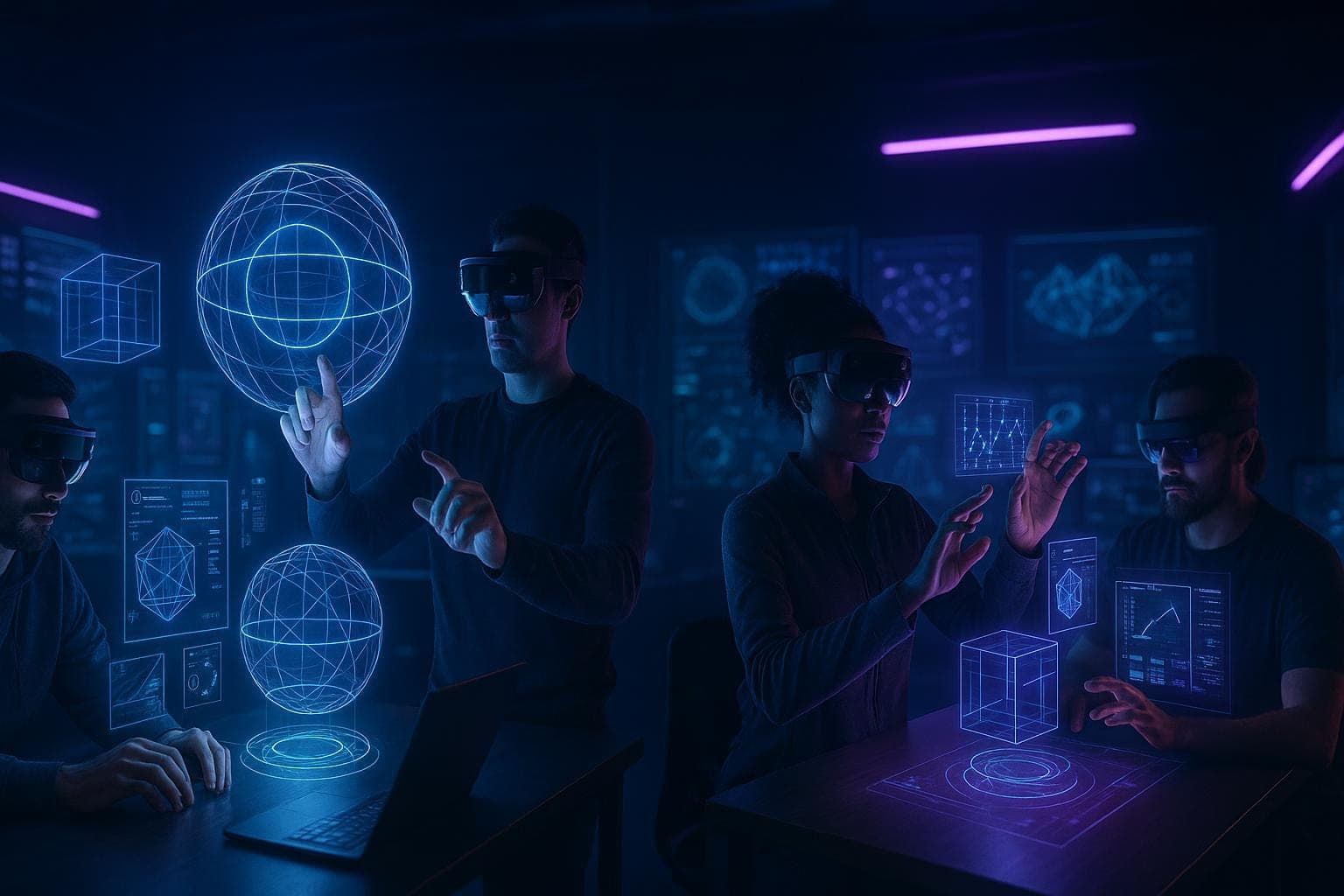
Custom VR, AR, and mixed reality solutions that replace expensive physical training rigs, deepen product engagement, and create lasting impressions. Built on Unity and Unreal Engine by a team with 25 years in 3D.
XR systems that run in production, not just demos
Most XR agencies build proof-of-concepts. We build production systems deployed at scale — hundreds of headsets, thousands of users, integrated with LMS platforms and HR systems.
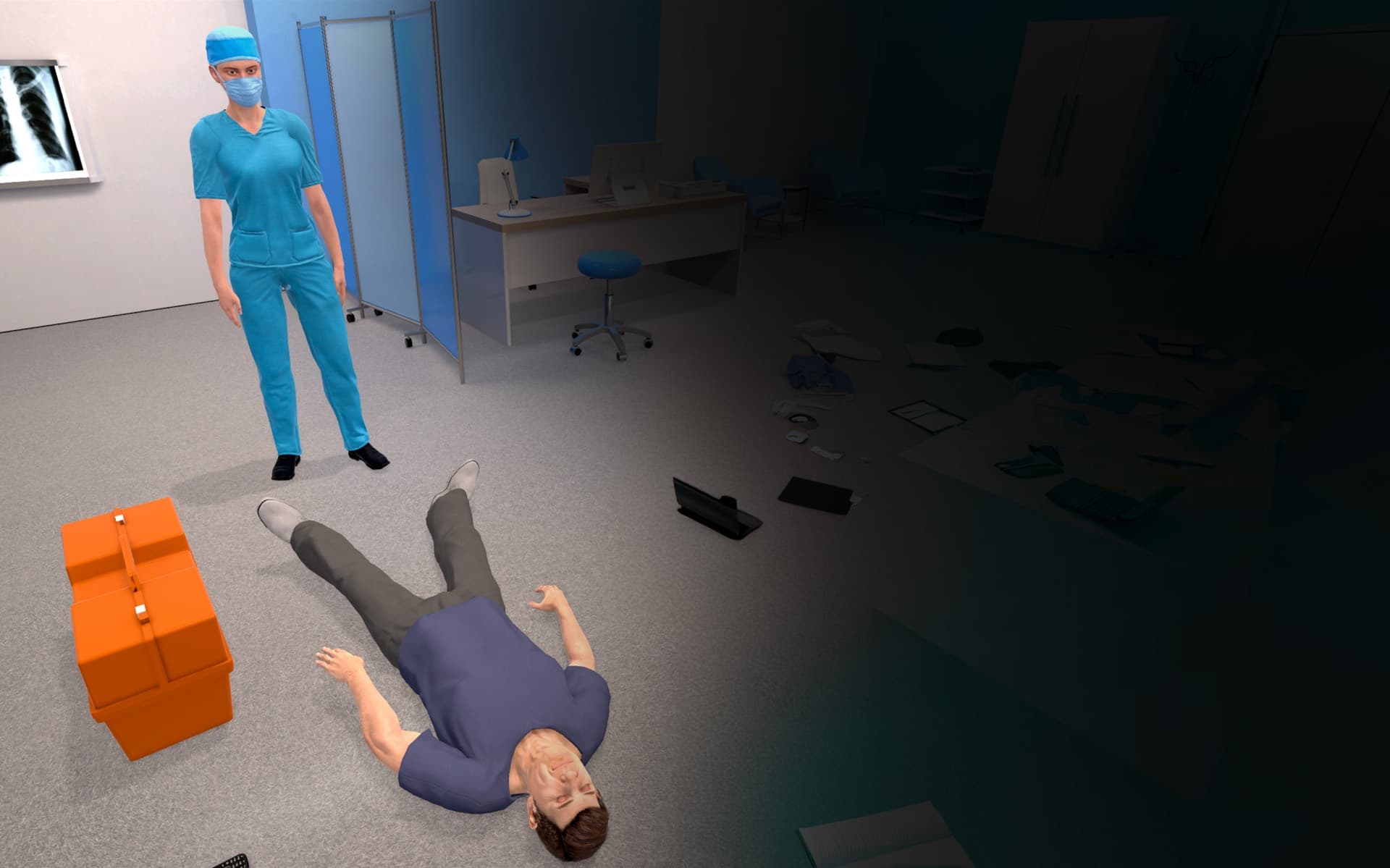
Our in-house XR engine (VARGATES) powers medical simulation, industrial training, and enterprise metaverse experiences for customers on multiple continents. When you hire VARDIX, you get the team that built the engine.
What we deliver
Virtual Reality (VR)
Fully immersive environments for job-skill training, virtual labs, safety simulations, and remote collaboration. Standalone or tethered — Meta Quest, PICO, Valve Index.
Augmented Reality (AR)
Overlay digital content on the real world — equipment maintenance guides, assembly instructions, spatial product presentations. ARKit, ARCore, HoloLens.
Mixed Reality (MR)
Blend physical and virtual objects in real-time. Ideal for design reviews, surgical planning, and collaborative engineering on Apple Vision Pro and HoloLens 2.
Training Simulations
Scenario-based learning with branching logic, scoring, and LMS integration. Replace expensive physical rigs with virtual ones that never wear out.
Industrial & Safety
Hazardous environment simulations, equipment operation training, emergency response drills — built to regional and international safety standards.
Marketing & Events
Immersive brand experiences, virtual product launches, interactive showrooms, and VR exhibition booths that convert visitors into leads.
From brief to headset
A structured five-phase process that eliminates surprises and delivers on time — even for complex multi-platform XR projects.
Discovery & Brief
We align on objectives, audience, platform constraints, and success metrics before a single line of code is written.
Concept & UX
Storyboards, interaction flows, and a proof-of-concept prototype to validate the experience before full production.
3D Production
Environment modeling, asset creation, character rigging, and optimisation for target hardware performance budgets.
Development
Unity or Unreal Engine build — interaction logic, multi-user networking, LMS connectors, analytics hooks, and platform SDKs.
QA & Deployment
Device testing, comfort review, performance profiling, and managed rollout to your hardware fleet or app stores.
Our XR stack
We use the same tools the leading XR studios use — and we stay current as the platform landscape evolves.
Sectors we serve with XR
Ready to go immersive?
Share your use case and we'll propose the right platform, scope, and budget. No commitment required for the first conversation.