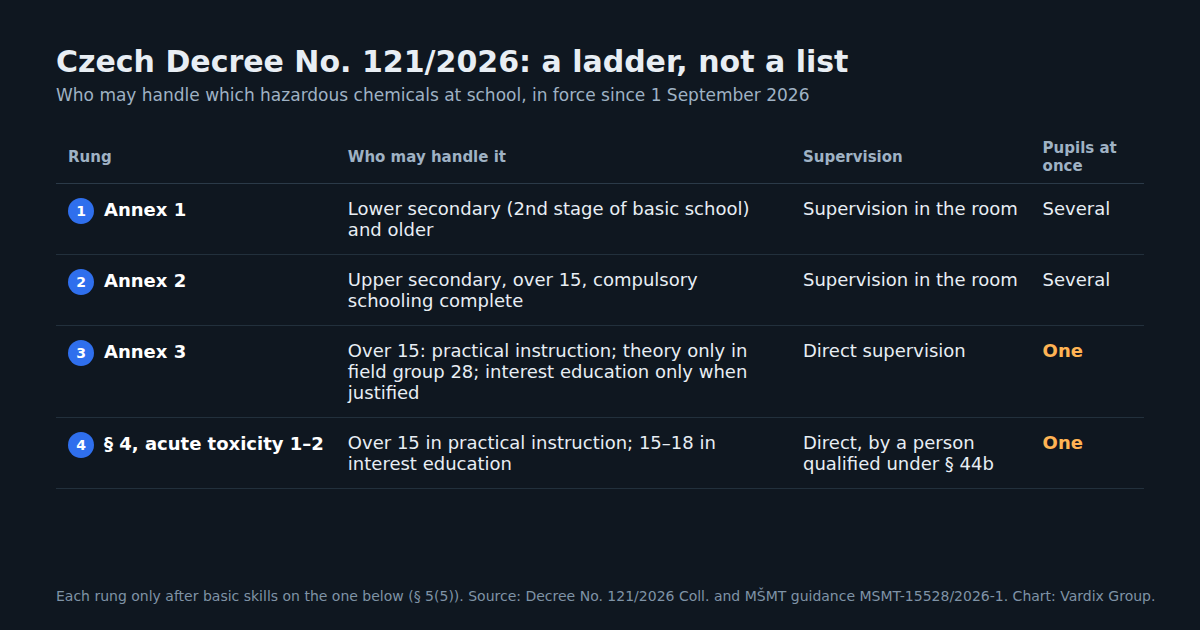
 A demonstration, not a deletion: what the new Czech rules on school chemicals ask of the chemistry lessonOn 21 September 2026 the Czech education ministry published guidance to Decree No. 121/2026 Coll., in force since 1 September. It sets a four-rung ladder for which hazardous chemicals pupils may handle, allows only one pupil at a time on the top two rungs, and asks schools to consider a teacher's demonstration, rather than dropping an experiment pupils may not do.
 A procedure nobody wrote cannot be trained: what the Clairton report asks of maintenance trainingOn 10 August 2026 the U.S. Chemical Safety Board released its final report on the fatal 2025 explosion at U.S. Steel's Clairton Coke Works. It found no written procedure for washing the valve with water, and no training on the correct sequence of that operation for either the plant crew or the contractor. What that means for training maintenance crews in heavy industry.
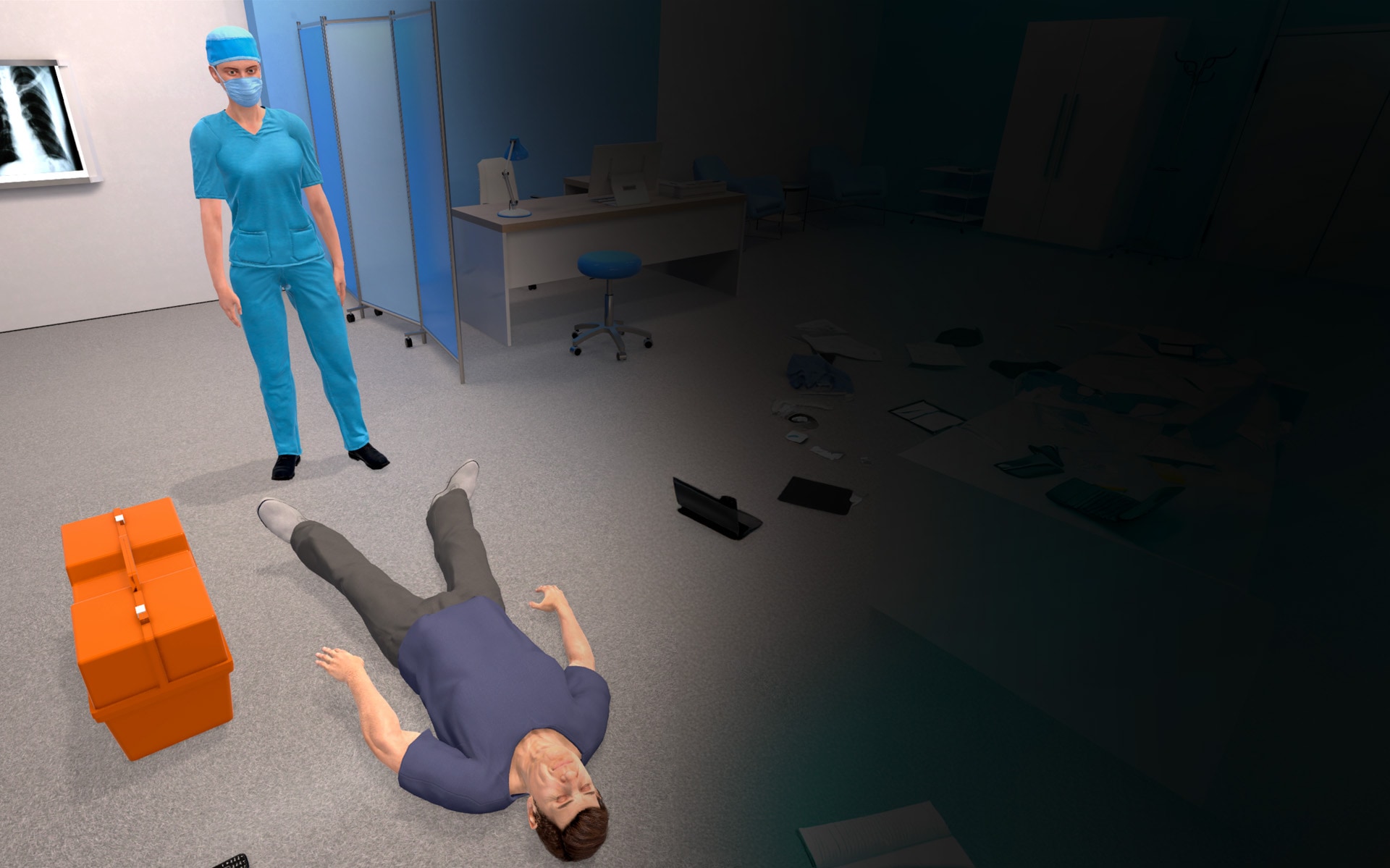 The scarcest hour in clinical training belongs to the supervisorAn article published by The Hechinger Report on 24 August 2026 reports nurse practitioner students delaying graduation because too few clinicians will supervise them. When the scarce resource is a supervisor’s hour, the question for a faculty is what students can practise before they use it.
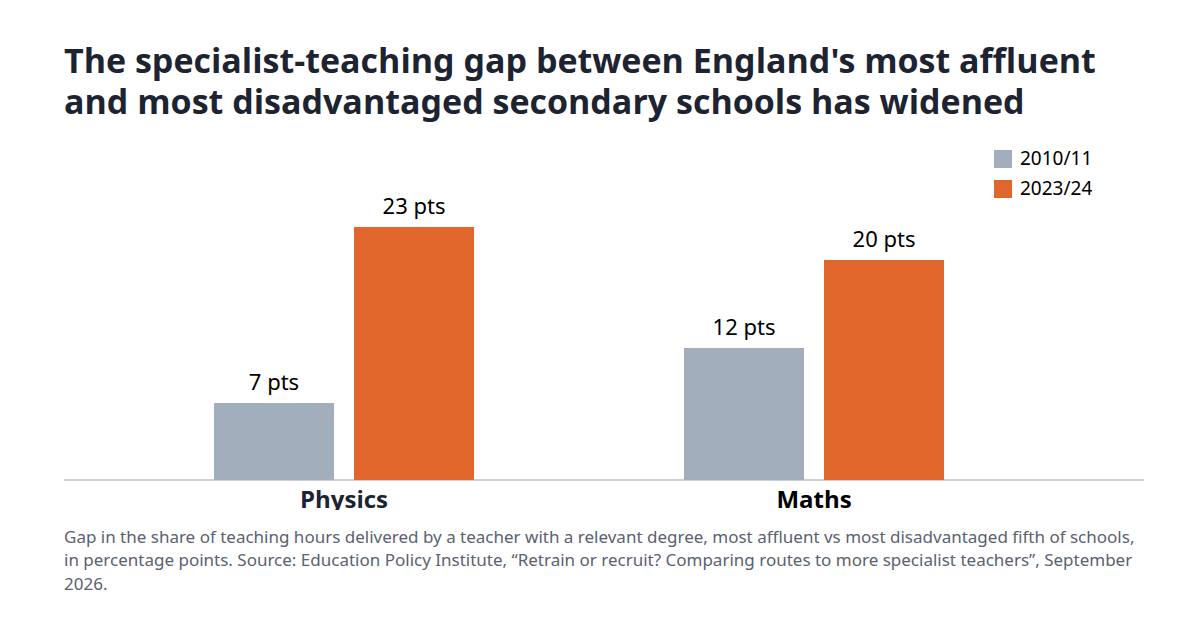 Who teaches physics when there is no physicist: what a new report on England’s schools measuredA report published on 9 September 2026 by the Education Policy Institute finds that only 55 per cent of physics teaching hours in England’s secondary schools are delivered by a teacher with a relevant degree, and that in the most disadvantaged schools outside London fewer than one in five physics teachers holds one.
 Pathology taught as a case, not a chapter: what one course redesign measuredA study published on 8 September 2026 in Advances in Medical Education and Practice rebuilt a urinary system pathology module at Peking University around clinical cases. Scores rose in a class of 54 students, but there was no control group, and the authors say a controlled study is still needed.
- A course is accepted against a checklist, so we build it from the checklistIn September 2026 the UK Nursing and Midwifery Council added new stations to its clinical skills examination and published updated marking criteria that apply from 26 October. A skills course is marked against tables like these, row by row, which is why the group builds each procedure course from its checklist, one row to one frame, and checks the match by script.
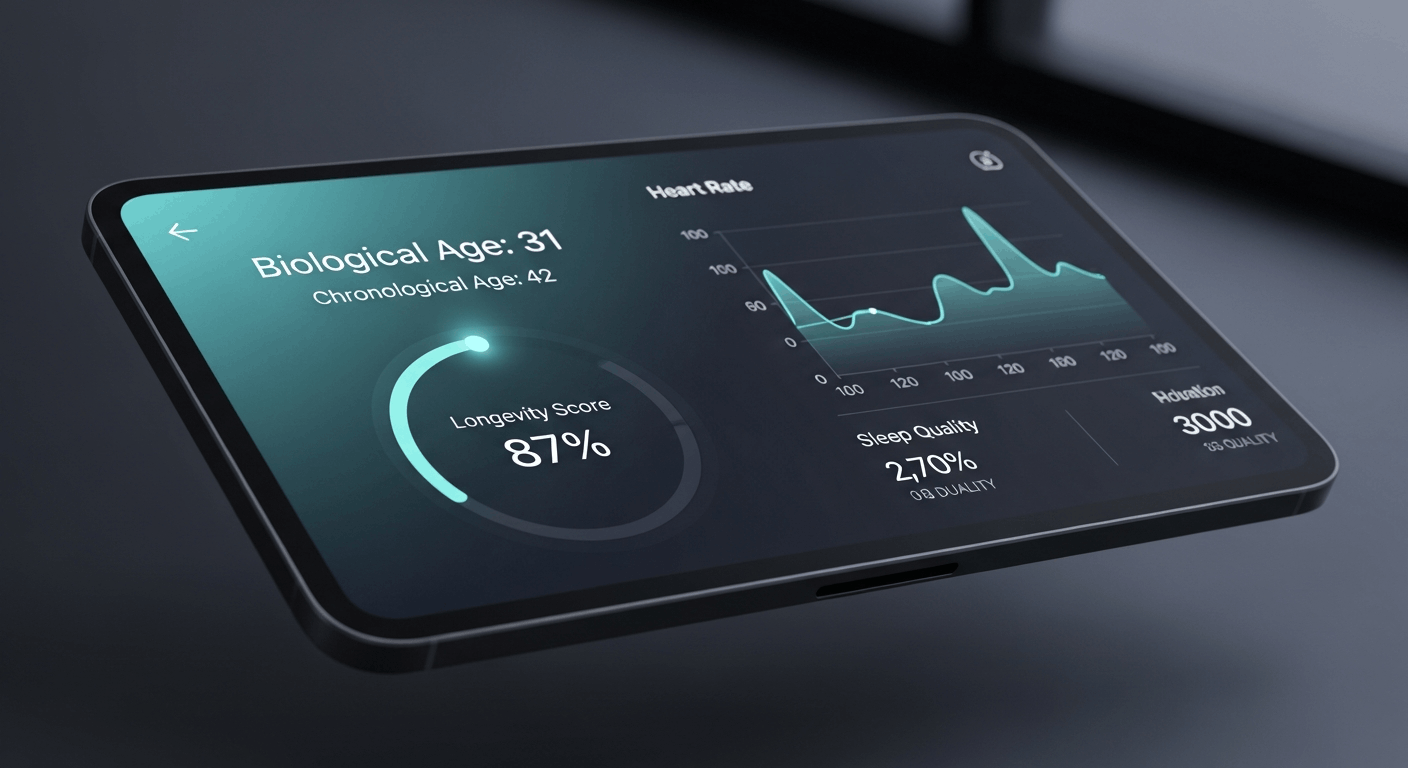 Better a gap than a guess: reading a lab printout honestlyThe UK regulator’s AI commission says direct-to-consumer medical devices cannot lean on a clinician for risk control. For a record built from uploaded lab printouts, that means marking what could not be read instead of filling it in.
- More practice, no significant diagnostic advantage over control: a leaderboard trialA randomised trial published on 17 September 2026 in Clinical and Experimental Dermatology found that adding a daily leaderboard to a dermatology diagnosis training platform made medical students train 3.3 times as many cases, with no significant difference in diagnostic skill improvement.
 Triple science by postcode: what science teachers say is missingThe Royal Society of Chemistry’s Science Teaching Survey 2026, published on 8 September, found that teachers in schools in England with a higher proportion of pupils eligible for free school meals are far less likely to expect their school to offer all three sciences. Teachers cite a lack of science teachers, and more than half of respondents in mainstream schools in England say practical lessons are underfunded.
- The address printed on a certificateA Florida nursing-school owner pleaded guilty in June 2026 in a scheme that, evidence at trial showed, issued 2,956 fake nursing diplomas. Certificates from the course library now part of VARGATES Medical carry a QR code to a public page where anyone can check who holds one and what it certifies.
- Who can see this case? The question a shared learning platform must answer firstMonths after the Canvas breach, Instructure is returning to each university its own packet of the files taken from it. For a medical faculty choosing a simulation platform, the first question is which accounts can reach its cases and its students’ progress — here is how VARGATES Medical answers it.
- Complement or competitor: what a national simulation tender says about virtual patientsNHS Supply Chain has opened tenders for a Medical Simulation and Technologies Framework that puts manikins, task trainers and immersive virtual clinical environments into separate lots, scored differently. For a distributor who already carries simulation equipment, it shows where a virtual-patient simulator sits: beside the equipment, in its own line of the specification.
