
On 8 September 2026 the Royal Society of Chemistry published the findings of its Science Teaching Survey 2026, an annual survey of science educators across the UK and Ireland, under the headline “School postcode determines access to triple science, teachers warn”. According to the society, “just a third of educators (30%) working in schools in England with a higher proportion of free school meals (FSM) eligibility expect to be able to offer all three sciences to students”, against “a significantly higher proportion of teachers in areas of low FSM eligibility (50%)”.
The reasons the teachers gave are about people and resources. At “more than half of schools with higher levels of FSM eligibility (52%)”, staff say “a lack of science teachers is a barrier to being able to teach triple science”. More than one in five schools surveyed (22%) said they would need additional chemistry teachers if triple science were offered to all students, and “more than half (57%) of respondents in mainstream schools in England said practical lessons are underfunded”.
Why it matters now
The survey lands while, in the society’s words, “the Government considers introducing a triple science entitlement in England”, under which any student who wishes to study GCSE biology, chemistry and physics as three separate qualifications should have the opportunity to do so. The society’s own conclusion is that such plans should be “matched by investment in the workforce, facilities, and practical resources required to deliver it”.
Put plainly, the survey describes schools being asked to teach more separate science with fewer specialists and less money for practical work than they say they need.
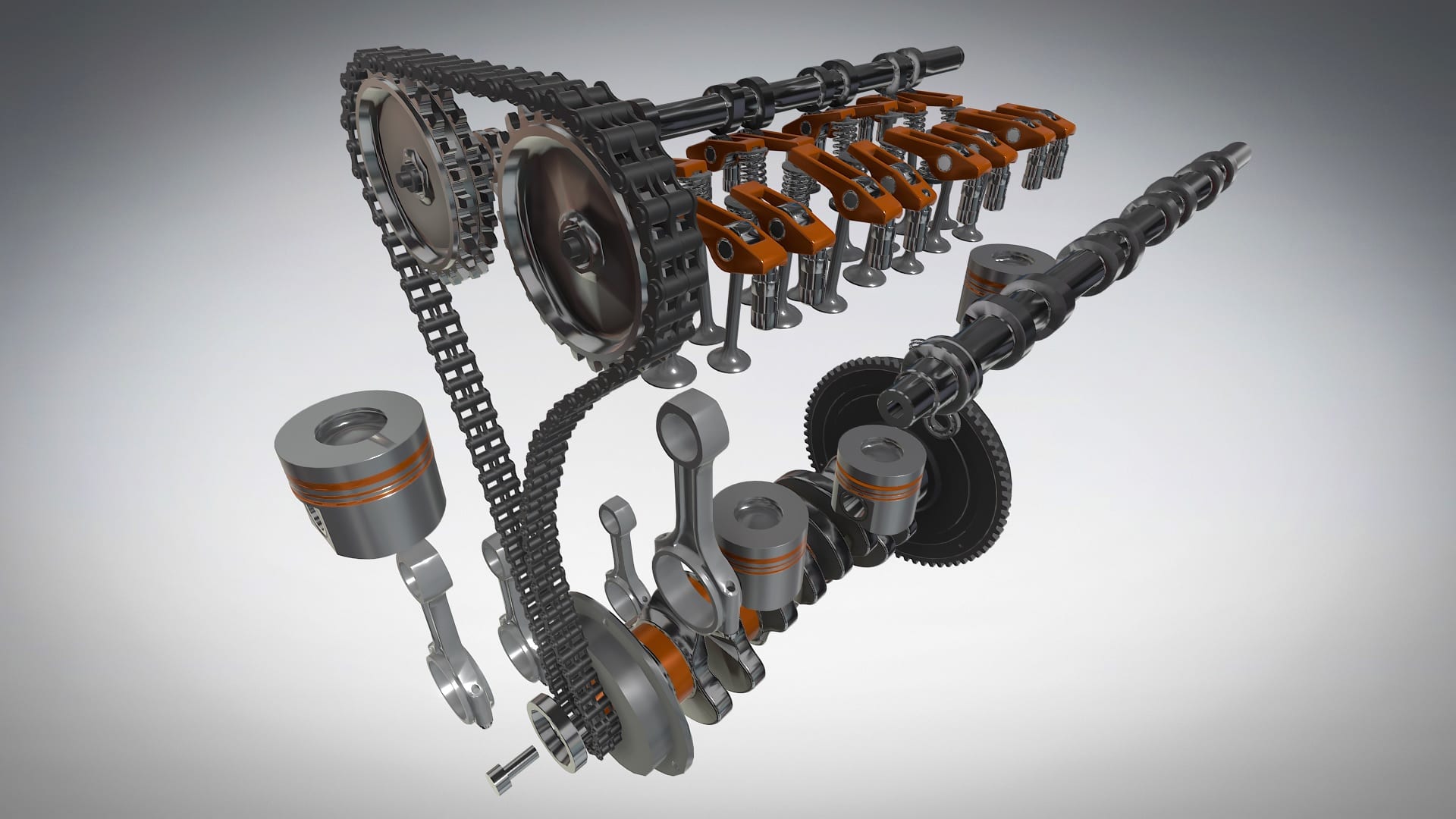
Study mode in ROQED Science: a science concept as a 3D model the whole class works with. © Vardix Group — ROQED
Where an interactive 3D classroom fits
ROQED Science is the group’s interactive 3D classroom for physics, chemistry, biology and earth science. Teachers assemble lessons from its 3D models and simulations, the class works in the same models, and classroom management tools run a lesson across a class rather than a single demo seat. It runs on Windows and the web, on the computers schools already have, with no headset needed to start.
For a department covering three sciences with the staff it has, that is a set of ready-made models to explain an idea, prepare a class before a practical and return to the idea afterwards, across all three subjects in one product rather than three separate licences.
What it does not do
It does not supply a chemistry or physics specialist. It does not replace laboratories, equipment or hands-on practical work, and the survey’s complaint that practical lessons are underfunded is not answered by software. The survey does not assess ROQED Science. The fit described here is our reading of the need the teachers report, not a finding of the survey.
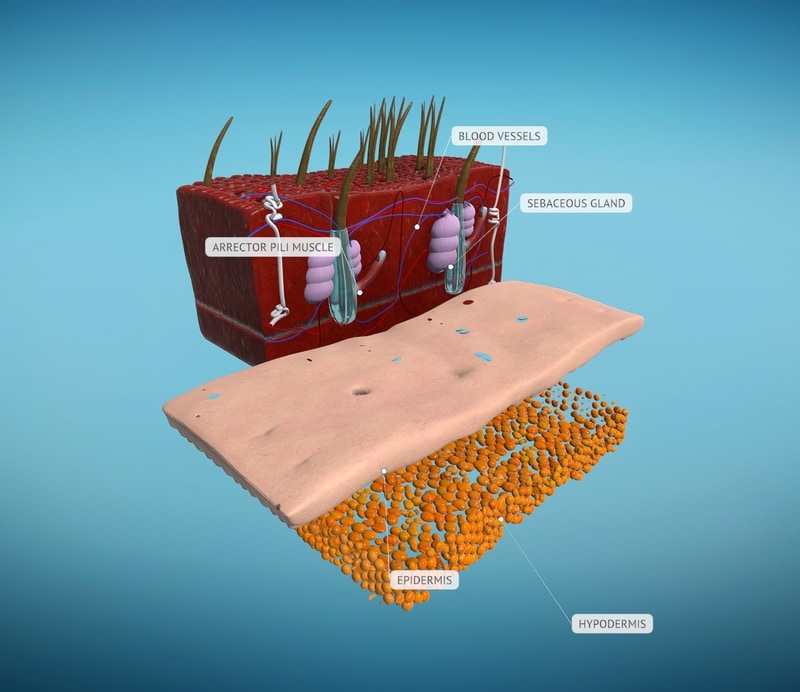
A frame from the ROQED Science classroom. © Vardix Group — ROQED
For a partner in education
The buyers are schools, school chains and ministries of education that need science as a classroom rather than a slide deck, and the natural partner is an education distributor who already calls on them. ROQED Science already ships in more than 18 languages, so in a territory whose language is among them, a first deal does not have to start with a localisation project.
Partners take authorised dealer or reseller terms and co-marketing materials, with installation, training, localisation and Level 1–3 support from VARDIX, the team that already distributes ROQED Mechanicum.