
On 24 August 2026 The Hechinger Report, a nonprofit newsroom that covers education, published an article by Colleen Connolly titled “Top-level nurses can’t finish their degrees because of a severe shortage of mentors”. Its subject is nurse practitioners. To graduate, a nurse practitioner student must spend at least 500 hours working with patients in a clinical setting under a supervisor, known as a preceptor, and the article reports that there are not nearly enough preceptors willing to take students.
The story follows students who end up finding those supervisors on their own. One recalls sending about 50 emails or making phone calls, and has had to delay her graduation by a year. Others pay preceptors out of their own pocket, and some nursing educators question whether preceptors who are paid might be incentivized to pass the students who pay them. Meanwhile the profession is growing fast: the article cites research from the Columbia University School of Nursing showing that the nurse practitioner workforce grew by 10 percent every year between 2016 and 2023, compared to 1.1 percent for physicians.
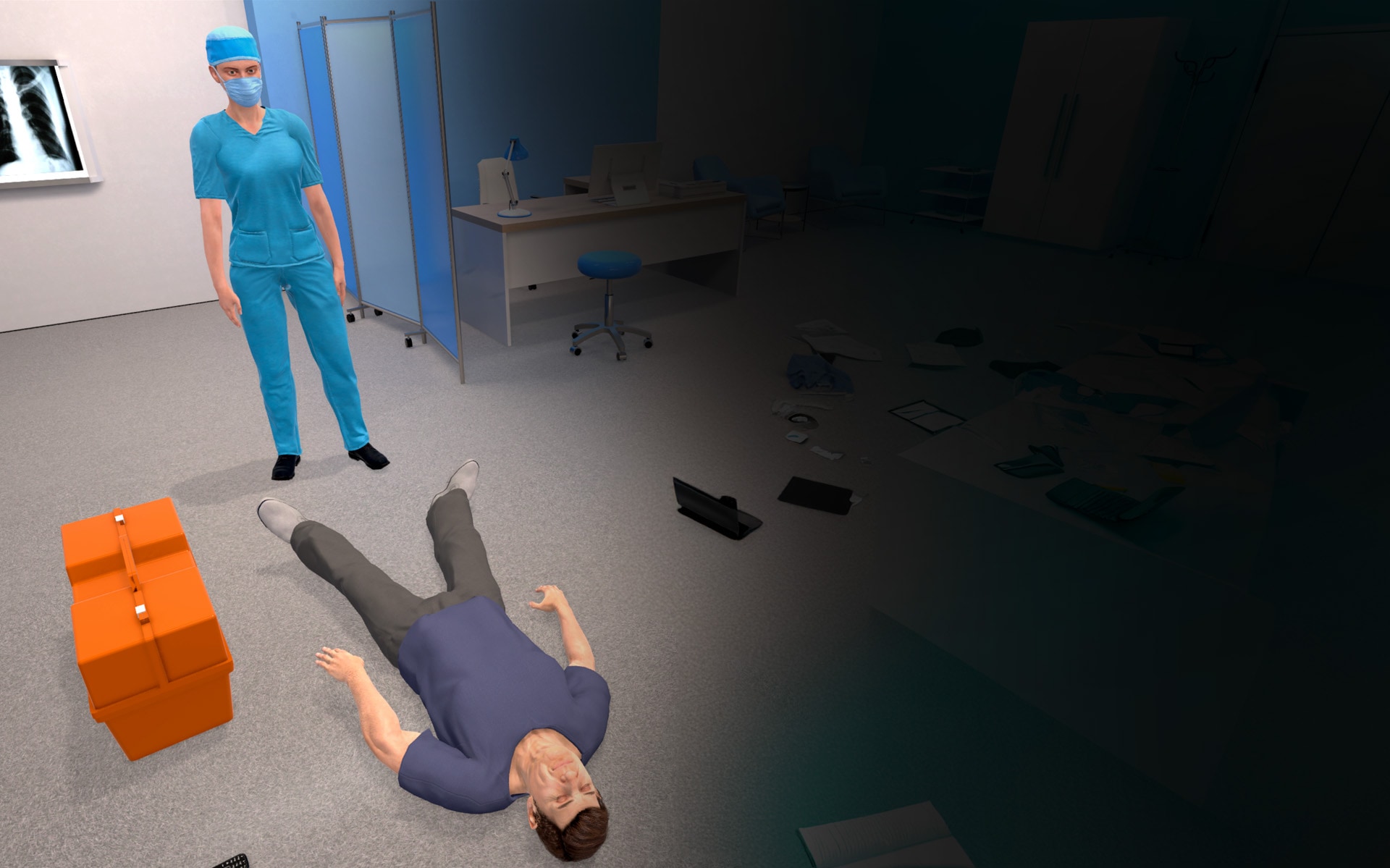
A virtual patient scene in VARGATES Medical. © Vardix Group — VARGATES Medical
The bottleneck is a person’s time
The article is explicit about why the shortage lands on nursing. Medical schools usually coordinate clinical placements through affiliations with teaching hospitals; nursing schools usually do not have those partnerships. Preceptors have traditionally not been paid for the extra work of teaching and evaluating students, and with burnout rising, many clinicians are turning students away.
So the scarce resource is not a classroom or a curriculum. It is the hours of a working clinician who agrees to teach. Our view follows from that, and it is a narrow one: every supervised hour spent on something a student could have practised before arriving is an hour taken from what only a real patient can teach. That part of the problem is one a faculty can act on without waiting for the placement market to change.
What can move off the supervisor’s hour
VARGATES Medical is the group’s simulation suite for medical education. It combines photorealistic anatomy, AI-driven patient simulations and multi-user cases on one engine, reachable through standard VR headsets or a web browser, and its learning analytics track every session, score and error, with dashboards for instructors.
Before a rotation, students can work through virtual patient cases from wherever they are, so the first supervised days are not the first time they reason through a case.
Between rotations, practice does not have to stop while a new supervisor is found. In the article, one student’s preceptor withdrew at the last minute before her final rotation.
For the faculty, analytics that track every session, score and error help identify gaps before a student reaches a supervisor, so a rotation can be aimed at them instead of discovering them.
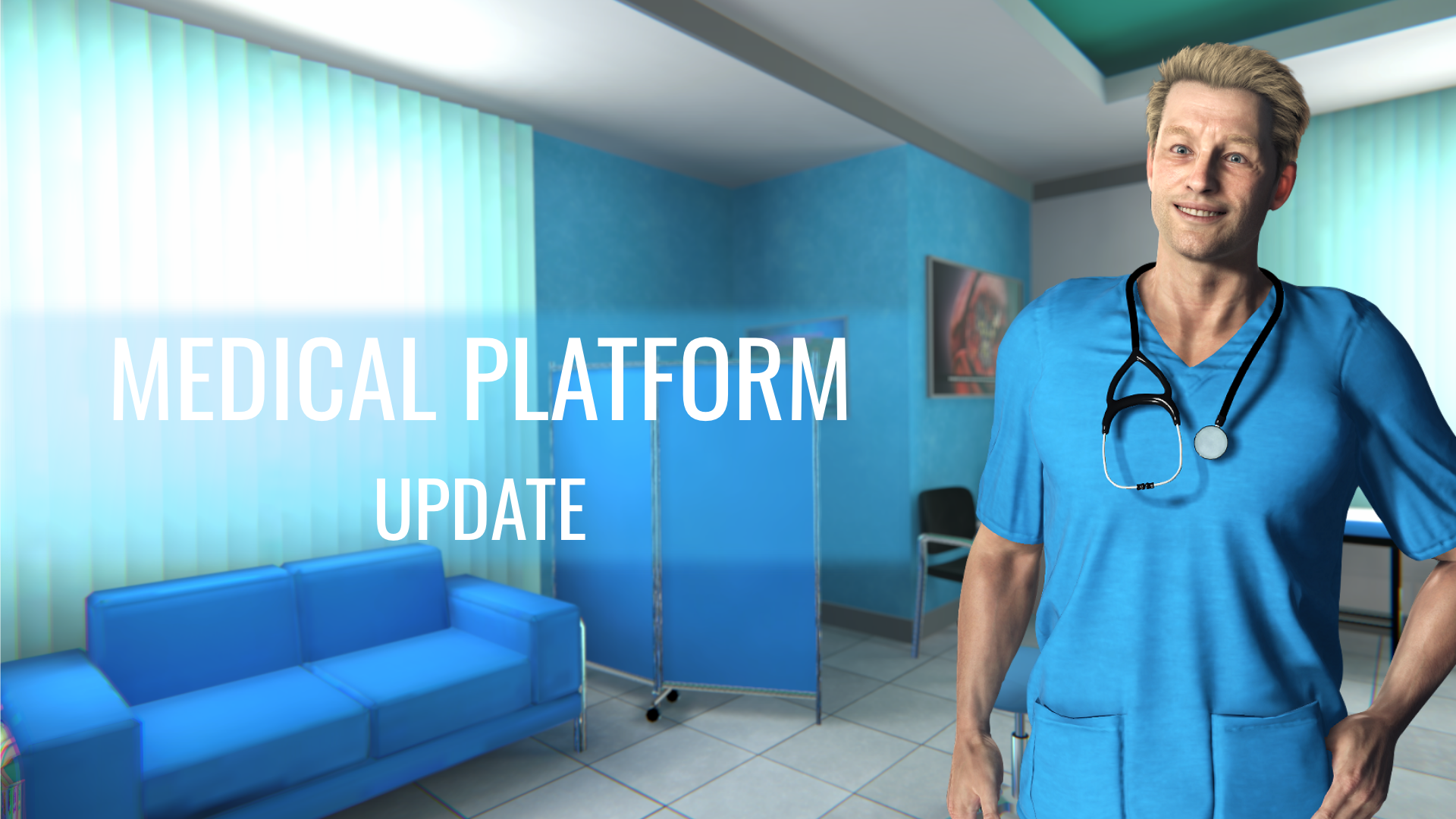
A consulting-room scene from the VARGATES Medical platform. © Vardix Group — VARGATES Medical
Why this is a distributor’s conversation
VARGATES Medical is sold to medical universities, teaching hospitals and clinical-skills centres. A distributor who already sells simulation, anatomy or an LMS into those buyers can add VARGATES Medical as a clinical line without standing up a new platform, while VARDIX runs onboarding and Level 1–3 support.
The Hechinger article is an American story, and it is about nurse practitioner programmes. Whether the same bottleneck exists in a given market, and how large it is, is a question a local partner can answer better than we can, and it is a good first question to bring to a partnership conversation.