
On 18 September 2026 the NSW Resources Regulator in Australia published its weekly incident summary for the week ending 11 September 2026 (mine safety reference ISR26-34). The summary records 22 reportable incidents and summarises three; the regulator notes that incidents in a weekly summary did not necessarily occur within that week. One of the three happened at an underground metals mine: a fitter was changing a die in a hydraulic hose crimping press. He was doing the work while the machine was operational, inadvertently activated the foot pedal, and the press crushed his fingers. The regulator records significant hand and finger injuries.
The recommendation that follows is short. Mine workers must ensure that machinery that can cause crushing injuries is switched off and isolated before maintenance work starts. Mine operators, in turn, must ensure competence before the task:
Mine operators must ensure: workers are trained and competent before undertaking work tasks, including the isolation procedures for plant they are working on.
The same notice adds a second duty: when plant is brought to site, an introduction to site process is implemented, and suitable procedures are developed for operation and maintenance activities.
A second notice, the same month
In the United States, the Mine Safety and Health Administration (MSHA) issued a fatality alert for 2 September 2026. A miner died while attempting to clean material from the troughing rollers of a stacker belt; he became entangled between the moving belt conveyor and the belt scraper. MSHA's first listed best practice: de-energize, lock out, tag out and block belt conveyors against hazardous motion before performing repairs or maintenance. The alert records it as the 22nd fatality reported in 2026, and the sixth classified as powered haulage.
Two cautions belong next to these facts. MSHA states that its alert is based on preliminary data only and is not a final determination of the cause. And neither notice says that training would have prevented the injury. What the two documents share is narrower and still useful: maintenance or cleaning work done on equipment that could still move, and the same answer from two regulators on two continents: stop the machine and isolate it before the work starts. The NSW notice is the one that names competence in that sequence as something the operator must ensure before the task.
Why that is hard to train on the real machine
This is our assessment rather than a finding of either regulator. A plant that has to make a fitter competent in a press die change, or a crew competent in cleaning a stacker belt, trains on the same equipment it produces with. Taking that equipment out of service for a training session costs production; training beside it while it runs is the situation both notices describe. The procedure is learned either on the machine during a shutdown, or in a classroom from a document, and neither lets a trainee repeat the sequence as often as it takes.
Where ROQED Mechanicum fits
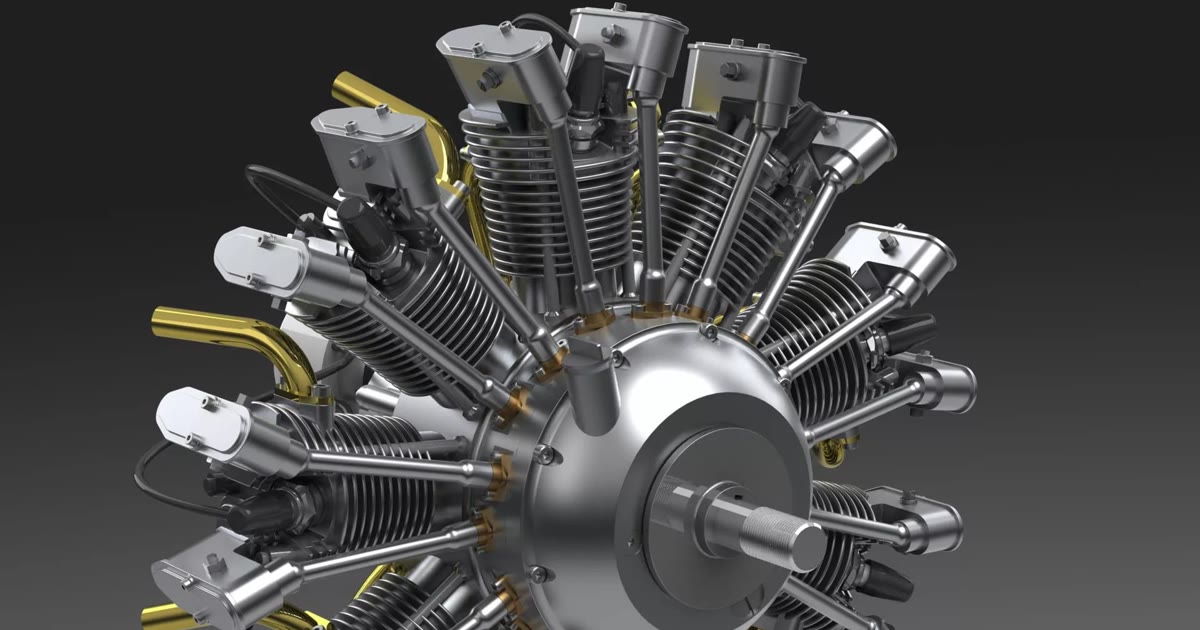
ROQED Mechanicum, an industrial training platform VARDIX distributes, is built for exactly that constraint. Equipment is rebuilt as photorealistic 3D models, and a trainee opens it the way a maintenance crew would: part by part, in the order the instruction gives. The model can be taken apart as often as training needs, on a screen or in a VR headset, while the real unit keeps working.
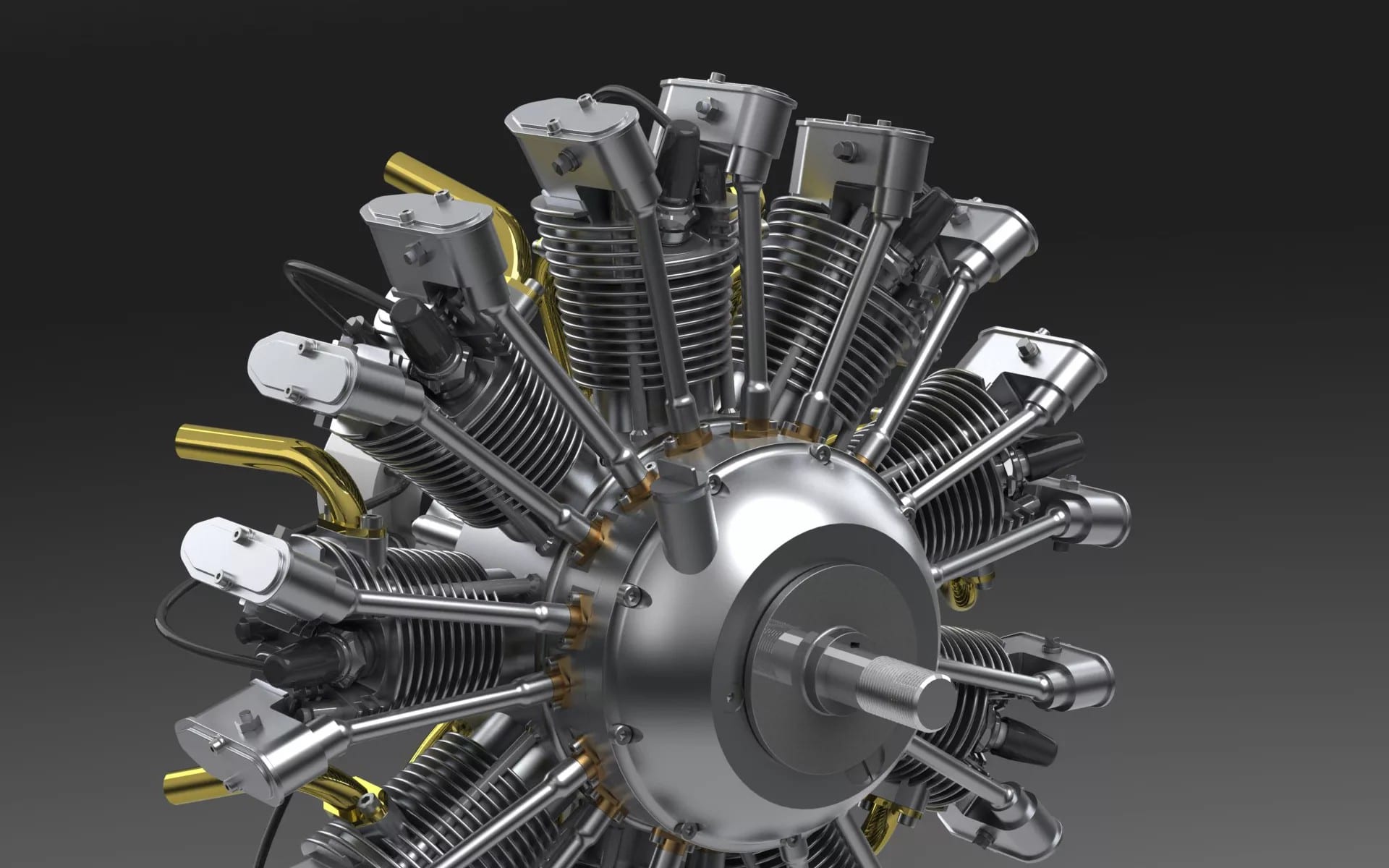
A radial engine modelled part by part in ROQED Mechanicum. © Vardix Group — ROQED Mechanicum
Three things make it relevant to what the regulators asked for:
The course comes from the plant's own instructions. A course is built from the customer's maintenance, repair or HSE instructions, with tasks allocated and filtered by job and specialty. The operation and maintenance procedure the NSW notice asks for becomes the material of the course.
The trainee performs the steps. Tools added to a course turn it from a walkthrough into a simulation: the trainee carries out the maintenance or repair steps with them rather than watching them.
It runs where the crew is. The same courses run on PC, mobile, VR headset and industrial panels, in a classroom, on the shop floor or in a headset, and can be integrated with the customer's ERP or LMS.
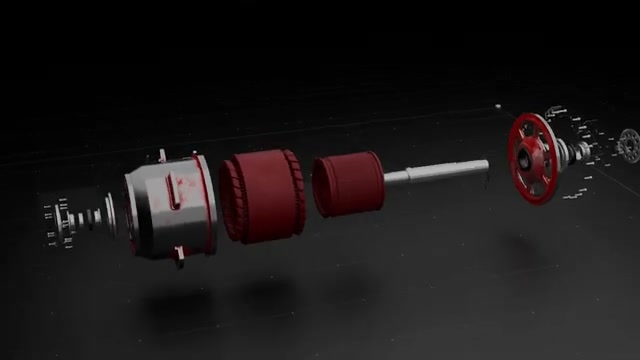
An electric motor taken apart part by part in ROQED Mechanicum. © Vardix Group — ROQED Mechanicum
What a 3D course does not do
A model does not isolate a machine. Stopping and isolating the equipment before the work is the control both regulators name; MSHA adds guarding, and the NSW regulator adds procedures for operation and maintenance activities. Nothing in a course replaces them. What the model changes is where the sequence is rehearsed: on the model, as often as training needs, while the real press or conveyor keeps working. And a course is only as good as the instruction it is built from, which is why the NSW recommendation that suitable procedures be developed for operation and maintenance comes first.
For distributors
The NSW summary is safety advice for the NSW mining industry, with duties on mine operators and mine workers; the MSHA alert does not name an addressee. The buyers of ROQED Mechanicum are mining groups, heavy-machinery operators, manufacturers and engineering faculties that train people on equipment they cannot afford to stop, and the industrial distributors who already sell into those plants. The NSW regulator publishes such a summary every week, so the question a partner brings to a plant, how do you make a crew competent on a machine you cannot stop, is not a hypothetical one. Partners get dealer or reseller terms, and installation, training, localisation and Level 1 to 3 support from the VARDIX team that ships the product.