
On 10 September 2026 the Souris Valley Museum in Estevan, Saskatchewan, held the grand opening of a virtual tour of coal mining operations in the Estevan area, listed by the City of Estevan as the “Virtual Reality Mining Tour Grand Opening”. SaskToday reported it on 11 September 2026 under the headline “Estevan museum celebrates opening of new virtual coal-mining tour”: the museum had offered the tour since the summer, the tour lasts about 15 minutes, and Southeast College and Westmoreland Mining LLC were partners on the project.
It is not an isolated case. The Deutsches Museum in Munich had to close and dismantle its well-known demonstration mine because of the museum’s renovation. Before it came down, the mine was recorded to the millimetre with laser scanners and photographs, and visitors now explore the resulting 3D model in virtual reality. The museum describes this on its programme page “Bergbau-VR-Erlebnis”, which lists sessions in October 2026.
The site a museum cannot bring indoors
Both projects answer the same problem. An operating open pit, a processing plant or a mine that no longer stands cannot be put in front of a visitor, yet that site is exactly what an industrial company’s story is about. A museum that wants to show how production really works has to bring the site into the room.
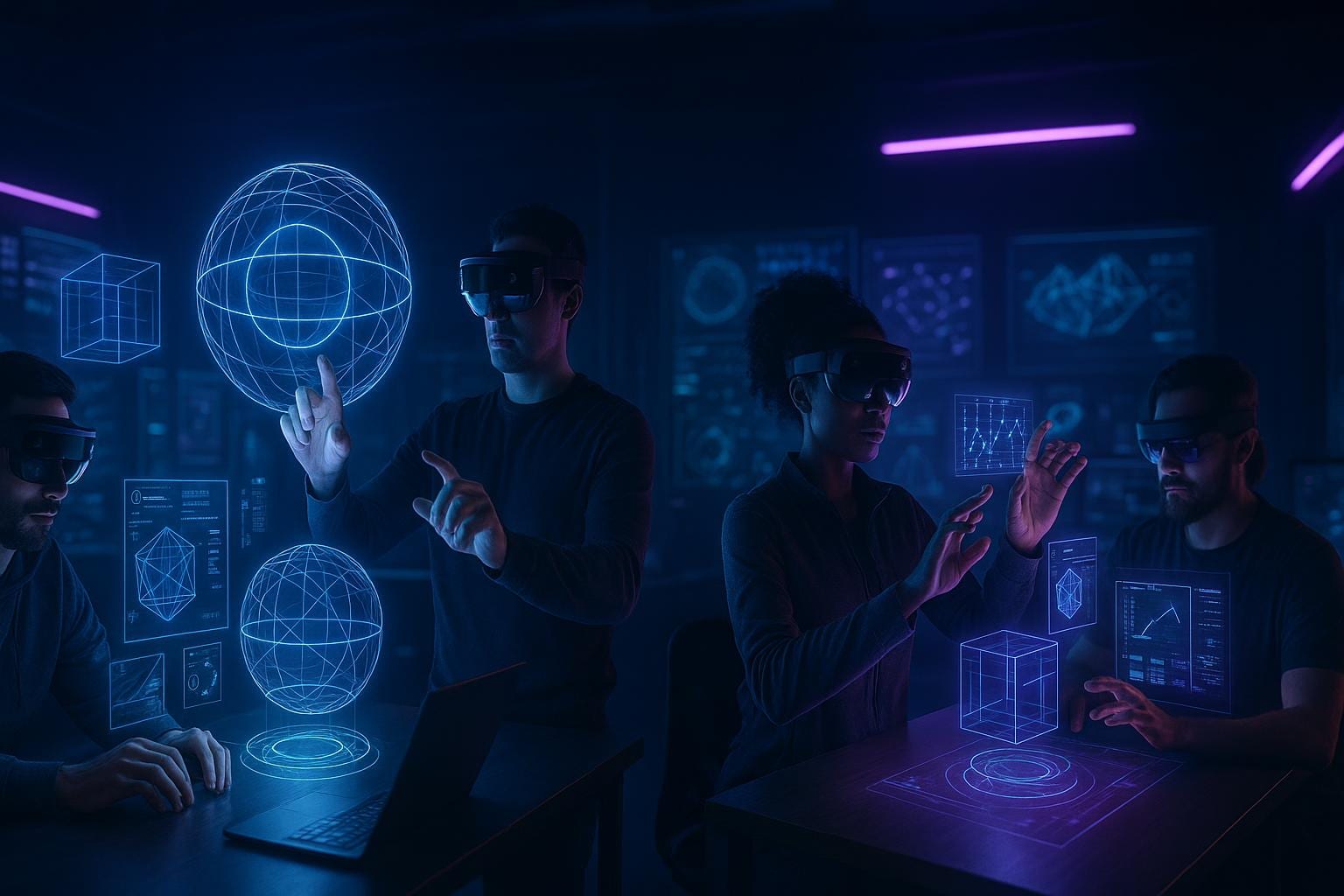
Immersive scenes put a site that cannot be visited in front of the visitor. © Vardix Group
What ROQED delivered in Kazakhstan
ROQED, a VARDIX group company, has just completed a project of this kind. It was the lead technology contractor for a museum that joins digital and physical space, built for a large iron-processing enterprise in Kazakhstan. Everything except the renovation and the interior was ROQED’s responsibility.
The project brought very different technologies into one space:
a mechanical scale model of the open pit and the plant;
an AI agent with a full-height 3D avatar;
immersive VR spaces that recreate the enterprise’s open pits and buildings;
AR featuring the main production equipment.
ROQED project manager Aray Yesseikyzy announced the completion on 4 October 2026. She led the project from the first concepts to full delivery, and named Naim Osmanov and Bakhytber Senbay as the people who created it.
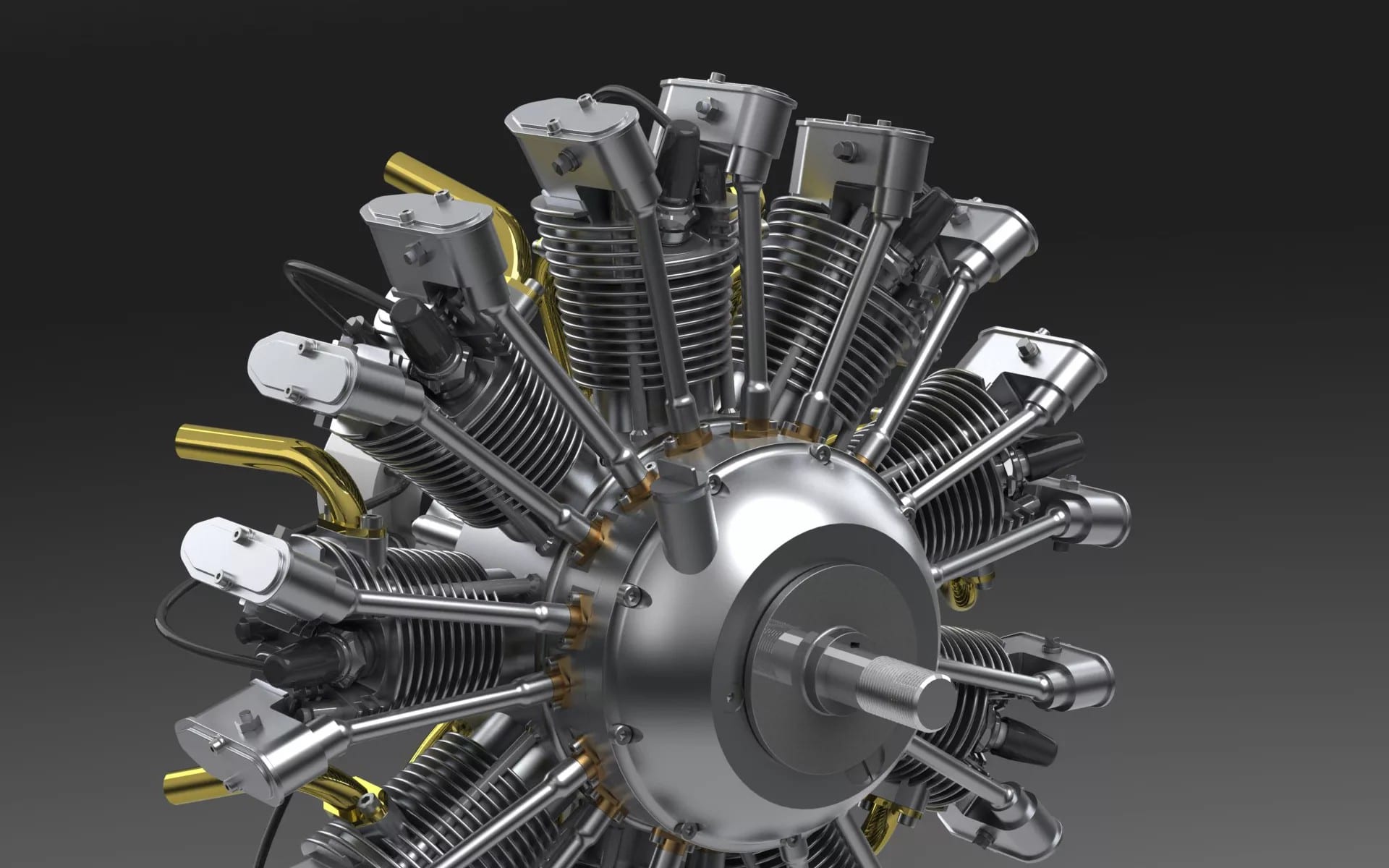
A radial engine modelled part by part by ROQED. © Vardix Group — ROQED
Where this fits for a partner
Projects like these are custom builds rather than off-the-shelf installations: VR scenes of a real site, AR on real equipment, a 3D character visitors can talk to, and all of it tied to a physical exhibit. That is the work of the group’s VR / AR / MR Development practice.
If your clients include industrial companies, museums or visitor centres, we work with partners who bring these projects to them.