
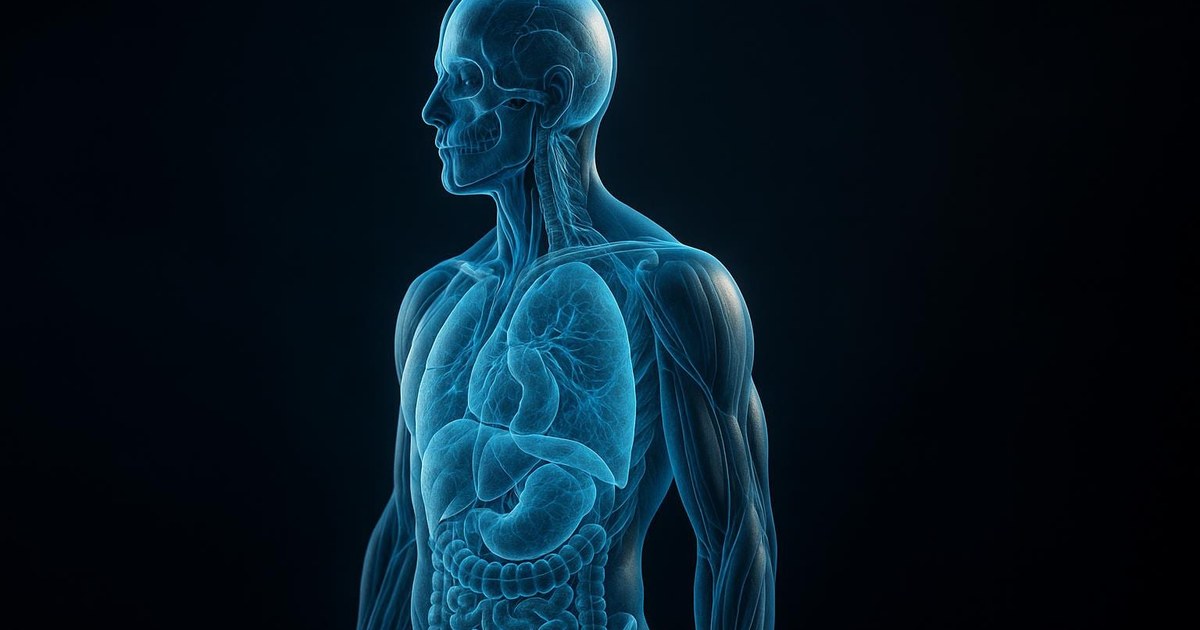
On 29 September 2026 the journal Orthopaedics & Traumatology: Surgery & Research published online “Patient understanding of lumbar spinal stenosis surgery: Video versus leaflet”, by Juliette Redonnet and colleagues from Centre Hospitalier Universitaire Dijon Bourgogne and the Institut de la Colonne Vertébrale at Clinique Bénigne Joly in Talant, France. Sixty-two adults with symptomatic lumbar spinal stenosis, all with an indication for decompression surgery, were randomised to receive either a video or a written leaflet describing the condition, the operation and perioperative management. On day 15 the median number of correct answers on a comprehension questionnaire was 14.35 in the video group and 12.74 in the leaflet group, and the difference held after adjustment for age and years of education after high school (p < 0.01).
On 5 September 2026 the World Journal of Surgery published online “Video-Assisted Versus Conventional Surgical Informed Consent in Visceral Surgery — A Cluster Quasi-Randomized Clinical Trial”, by Leicht and colleagues at University Hospital Würzburg in Germany (ISRCTN26680260). Of 330 patients screened for elective gallbladder removal or colon resection between September 2023 and March 2025, 153 were enrolled: 84 had video-assisted consent and 69 the hospital’s standard physician-led consent. The primary outcome was physician consultation time. The median physician consultation time was 1.5 minutes instead of 8.1 for cholecystectomy, and 3.3 minutes instead of 11.9 for colon resection. Patient understanding, satisfaction and postoperative pain were reported as high in both groups.
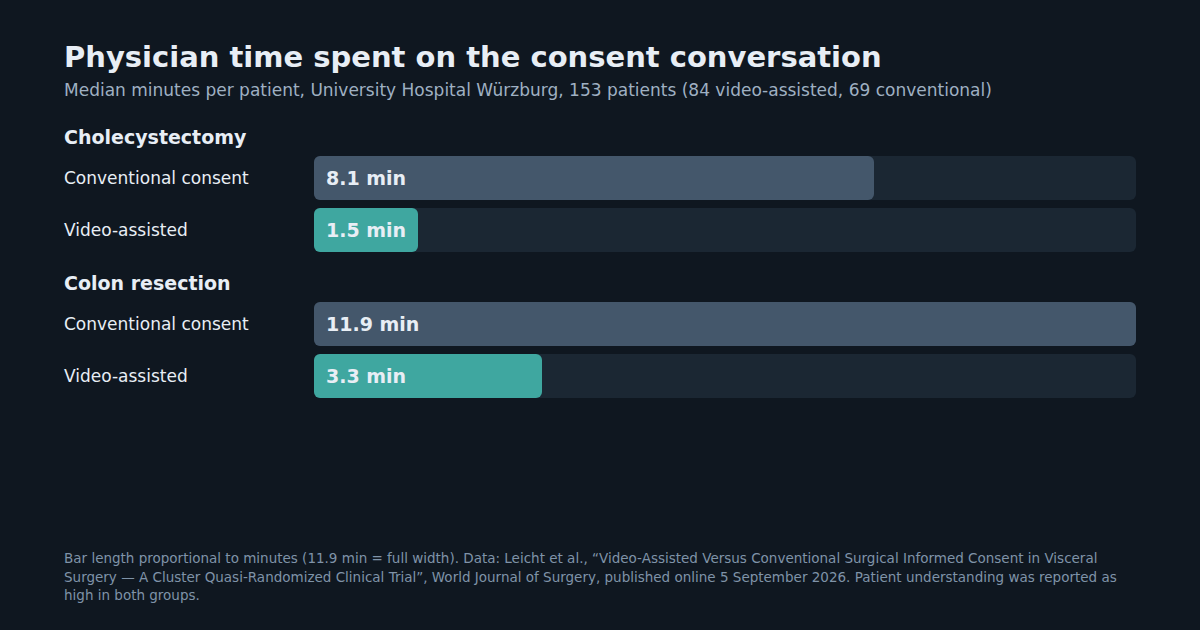
Würzburg, median physician minutes per consent conversation. Figures as reported in the paper’s abstract; the chart is ours. © Vardix Group
What the two trials say together
Read side by side, the two papers make a narrower point than “video works”. In Dijon, the video group scored higher on understanding, and the authors still note that baseline comprehension plays an important role in what patients go on to learn and that age was also associated with the scores; they suggest that combining supports, such as a video followed by a written leaflet, may be an effective strategy. In Würzburg, the abstract reports patient understanding as high in both groups, without claiming the video improved it; what changed was physician consultation time, which fell sharply.
Our reading is that this is the useful finding for a hospital: a film can carry the standard part of the explanation, so the clinician’s time can go to the questions only that patient has. Consent remains a conversation with the surgeon. What changes is how much of it has to be repeated, word for word, to every patient on the list.
What the studies do not show
The Dijon trial had 62 patients. Its abstract does not give the number of questions, so the 14.35 and 12.74 cannot be turned into percentages from the published summary.
The Würzburg trial ran in one hospital, for two operations, and was quasi-randomised by cluster. Its primary outcome was time, not understanding.
Neither abstract describes the videos as 3D animation, and neither compares one kind of video with another.
Once the film explains the operation, it must be right
If a film carries the explanation a surgeon used to give, it becomes part of the consent process, and its accuracy matters as much as the surgeon’s words. A mistake in a conversation reaches one patient; a mistake in a consent film reaches every patient who watches it, until somebody notices. Our view is that the clinical review therefore belongs before production, not after it: a script is cheap to correct, and a finished animation is not.
That is how the group’s Medical 3D Films service is set up. Its page lists patient-education and surgical-procedure animation among six types of film, and describes a pipeline in which the script and storyboard are reviewed by a medical advisor before 3D production begins, with delivery in MP4, ProRes, MOV and web-optimised formats, ready to embed in a learning system, with subtitles in the languages required.
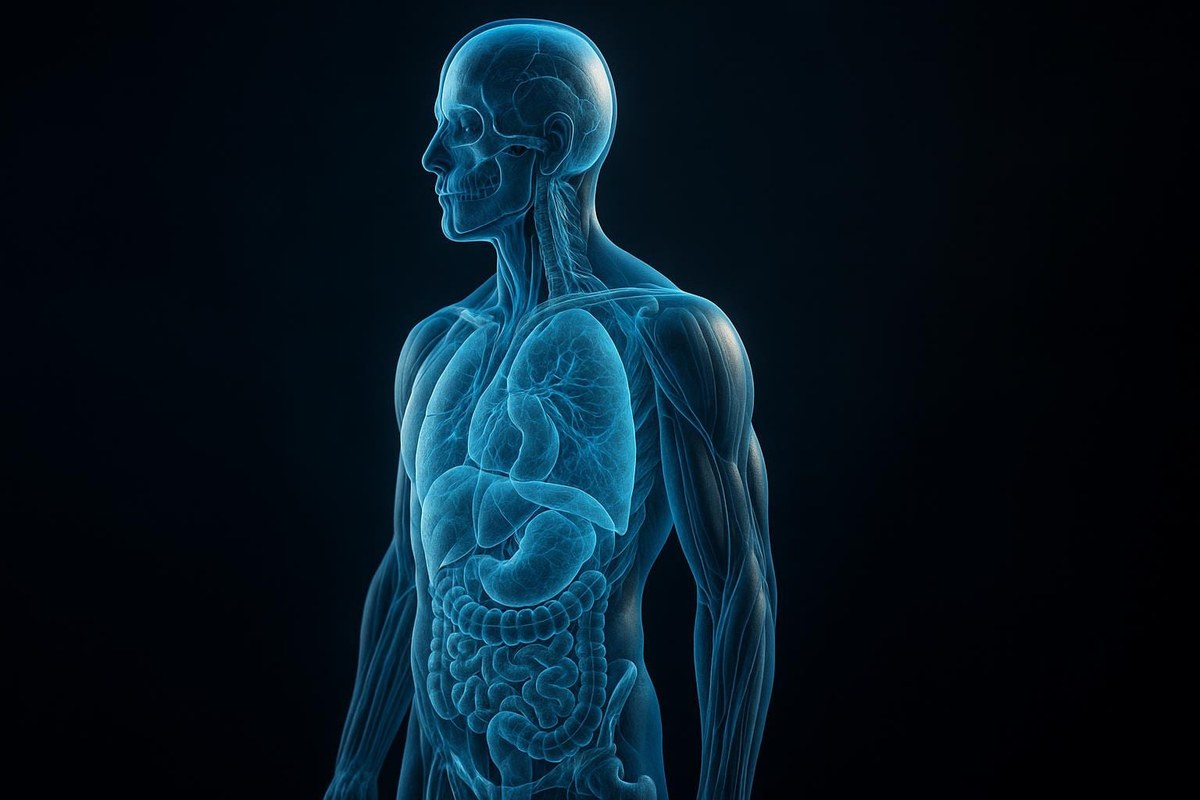
An anatomical illustration from the Medical 3D Films service page on vardix.com. © Vardix Group
What this means for a distributor
The buyers named on the Medical 3D Films page are the ones a medical distributor already meets: teaching hospitals, medical universities, medical device manufacturers, pharmaceutical companies, medical publishers and CME / CPD providers. These two trials give that conversation a concrete starting point: one procedure, the standard part of its explanation, and the physician consultation time it takes up today. If you sell into surgical departments or to device makers, a partnership with VARDIX adds medical film production to what you can offer them.